

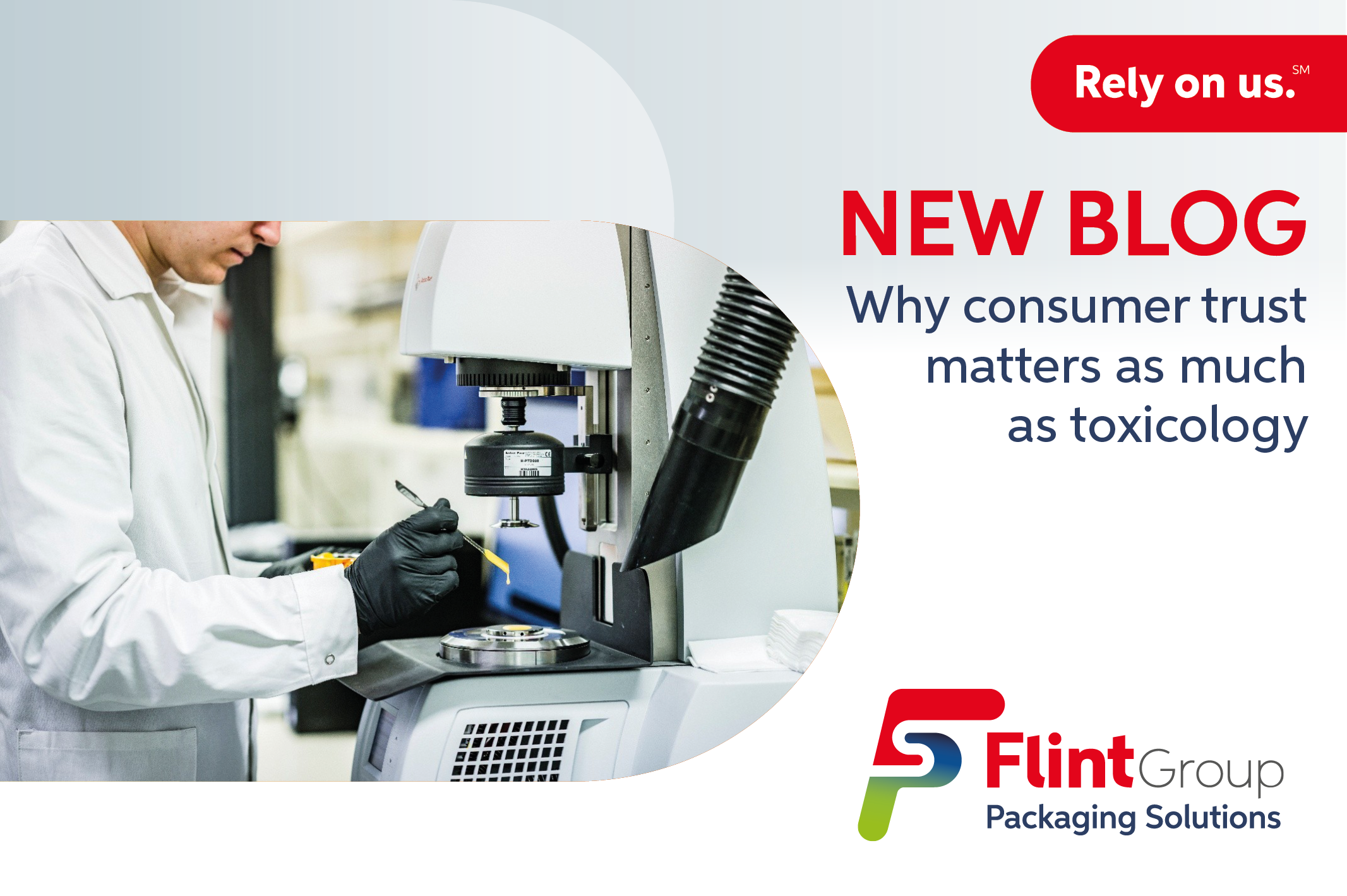
Perceived safety: why consumer trust matters for brands as much as toxicology
What do we mean when we say “perceived safety?” Sitting at the crossroads of science and human psychology, it is not just about whether food is safe according to regulations and laboratory tests, but about whether people feel it is safe when they choose and consume it.
Even the most advanced safety measures can fall short of expectations if consumers misidentify the source of a risk, misunderstand the science behind it, or rely on intuition instead of evidence. The perception of what is - or isn’t - safe can change purchasing habits, influence public reactions to food safety incidents, and determine the success or failure of entire food sectors. In the digital age, social media acts as a multiplier for all of these effects and can trigger unexpected reactions.
What are the potential consequences of perceived safety concerns?
Consumers rarely evaluate food safety based on toxicological assessments. Instead, they rely on:
- Trust in the brand
- Media narratives
- Social amplification
- Emotional responses
When any of these indicators turn negative, damage to brand reputation and commercial losses can be immediate and severe.
The 2017 Fipronil scandal is a case in point. Fipronil, an insecticide banned for use on food-producing animals, contaminated eggs after it was deliberately and illegally misused on poultry farms in several European countries. The scandal led to the destruction of millions of eggs, even though an official scientific risk assessment by the German Federal Institute for Risk Assessment (BfR) consistently found no acute or long-term danger to consumers. The large-scale disposal was driven not by toxicological necessity, but by legal requirements and a precautionary food safety response to public pressure and perception.
Two different clocks are ticking
In matters of toxicology, there's a difference between a hazard and a risk. Hazard is about what a substance is capable of in theory, where risk is about likelihood when real-world exposure and use are factored in. The German BfR's assessment of the Fipronil eggs case answered the risk question and found no danger to consumers. But the public reaction centred around the hazard question.
A formal risk assessment still takes time to complete properly, but a hazard-based story, amplified by social media, can reach an entire market in hours. By the time the science is ready, the commercial decision of recall, delisting, or disposal has often already been made in response to the story, not the evidence. For brand owners, the core lesson is that perceived safety isn't just about being right, but about being ready to communicate before the gap gets filled by someone else's version of events.
How can perceived safety incidents be prevented?
Perceived safety concerns cannot be eliminated entirely, as consumers will always react emotionally to food risks. But their likelihood and impact can be dramatically reduced with the right proactive measures. Incidents can be prevented by acting before a problem becomes a crisis, through rapid communication, strict supplier controls, and routine risk assessments. Many scandals escalate because trust is questioned – not because the risk is high.
Flint Group Packaging Solutions, as a manufacturer of printing inks and coatings for food-packaging applications, has a significant role to play because a genuine, testable risk like ink migration can either be engineered out early or left to become tomorrow's headline.
Through rigorous evaluation and many years of expertise, Flint Group Packaging Solutions supplies inks that help ensure food packaging meets the highest quality and safety standards. Dedicated teams gather the necessary information from upstream suppliers, assess and process it, and communicate the relevant information to downstream customers. This ensures compliance with legal requirements while maintaining high safety standards that go beyond regulatory obligations. By focusing on this, Flint Group Packaging Solutions supports brand owners as a reliable partner, helping them reduce the risk of reputational damage and financial losses that can result from perceived food safety incidents.
Do you have a specific question about food safety and printing inks regulations? Our specialists are ready to help you navigate your regulatory obligations and outline the way forward.